
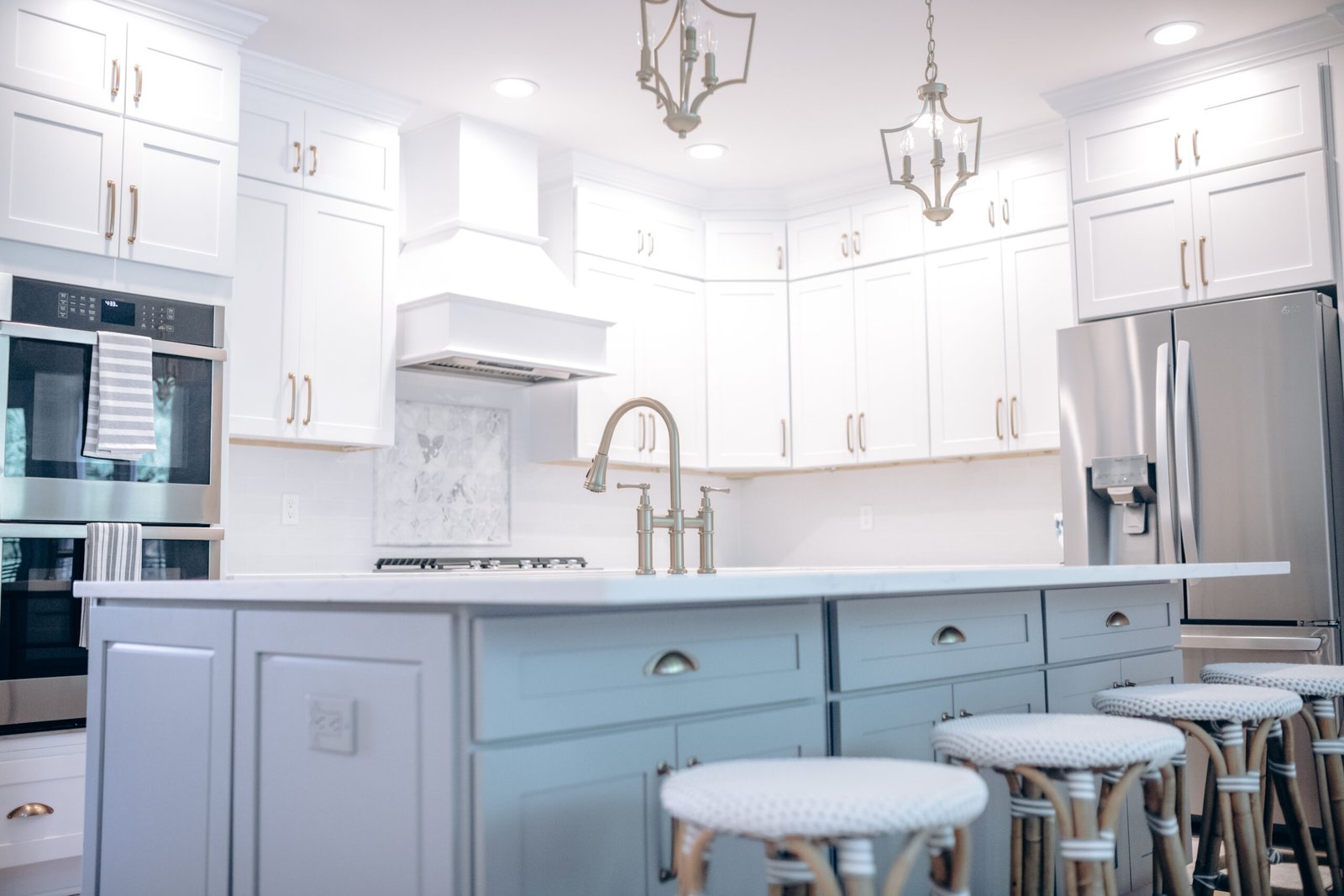
A kitchen remodel changes how your whole house feels, but the price tag is what stops most homeowners before they even start planning. Material costs shifted again this year, and labor rates in most markets are higher than they were even two years ago.
This guide walks through real numbers for 2026, including cabinets, countertops, square footage pricing, and financing, so you can build a budget that actually matches what a project will cost, not a rough guess pulled from an old article.
Average Cost to Remodel a Kitchen in 2026
Most homeowners spend between $18,000 and $48,000 on a full kitchen remodel, depending on size and finish level. A minor refresh with new paint, hardware, and a backsplash lands closer to $10,000 to $15,000. A gut renovation with new layout, plumbing, and electrical work pushes past $60,000 in many areas.
Location plays a bigger role than most people expect. Labor rates in cities and coastal markets run 20 to 40 percent higher than rural areas for the same scope of work. Permit costs, contractor availability, and material shipping also shift the final number.
Kitchen Remodel Cost Per Square Foot
A common way contractors quote projects is by square footage, since it accounts for both material and labor at once. Expect to pay between $150 and $300 per square foot for a mid-range remodel, with high-end finishes pushing that closer to $500.
A 200 square foot kitchen at mid-range pricing lands around $30,000 to $40,000 total. Smaller kitchens often carry a higher per-square-foot rate, since fixed costs like appliances and plumbing don’t shrink along with the room size.
Factors Affecting Kitchen Remodel Cost
Layout changes are the single biggest driver of price. Moving plumbing lines, relocating the sink, or knocking down a wall adds electrical, plumbing, and structural work that a simple cosmetic update never touches.
Material selection is the second major factor. Stock cabinets, laminate counters, and standard appliances keep costs down, while custom cabinetry, natural stone, and professional-grade appliances can double a budget on their own. Timeline also matters, since rush jobs and holiday season scheduling both carry a premium.
Cost of Kitchen Cabinets
Cabinets typically eat up 30 to 40 percent of a total remodel budget. Stock cabinets run $100 to $300 per linear foot, semi-custom lands between $150 and $650, and fully custom cabinetry starts around $500 per linear foot and climbs from there.
Cabinet hardware, soft-close hinges, and interior organizers add smaller costs that stack up fast across a full kitchen. Refacing existing cabinet boxes instead of replacing them can cut this line item by half or more.
Kitchen Countertop Replacement Cost
Countertop pricing varies widely by material. Laminate runs $20 to $50 per square foot installed, quartz sits between $60 and $150, and natural granite or marble can reach $100 to $250 depending on the slab and edge work chosen.
Countertop replacement alone, without touching cabinets or layout, typically costs $2,000 to $6,000 for an average kitchen. Edge profiles, sink cutouts, and backsplash integration all factor into the final quote from a fabricator.
Small Kitchen Remodel Cost
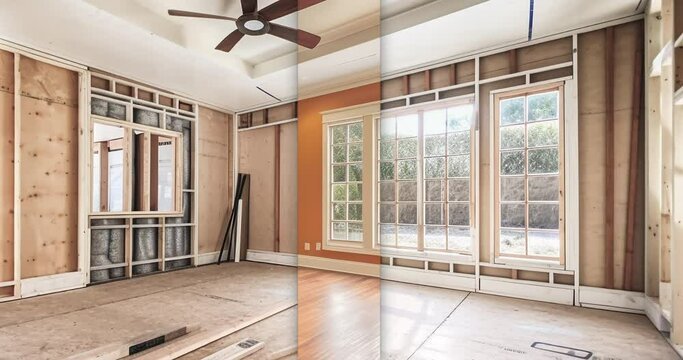
A small kitchen remodel, generally under 100 square feet, usually falls between $12,000 and $25,000 for a mid-range update. Smaller spaces still require full appliance sets, plumbing fixtures, and electrical work, so savings come mostly from reduced cabinet and countertop square footage.
Galley kitchens and apartment-style layouts fall into this category often. Homeowners in this range typically prioritize storage solutions and lighting upgrades over structural changes, which keeps labor costs contained.
High End Kitchen Remodel Cost
A high end kitchen remodel with custom cabinetry, professional appliances, and premium stone surfaces commonly runs $75,000 to $150,000 or more. These projects often include layout changes, upgraded electrical for high-draw appliances, and designer lighting packages.
Smart home integration, wine storage, and butler’s pantries are common additions at this tier. Contractors in this range usually work with an interior designer, which adds a separate fee on top of construction costs.
DIY vs Professional Kitchen Remodel
DIY work can trim 20 to 30 percent off labor costs, but only on tasks that don’t require licensing. Painting, demolition, and hardware installation are reasonable DIY tasks for a handy homeowner.
Plumbing, electrical, and gas line work should go to licensed professionals in almost every case. Mistakes in these areas cause code violations, failed inspections, and sometimes voided homeowners insurance claims. A professional kitchen remodel also comes with warranties that DIY work never carries.
Building a Kitchen Renovation Budget That Holds Up
A realistic kitchen renovation budget starts with a full scope of work, not a single number pulled from a search result. Break the project into cabinets, countertops, appliances, flooring, plumbing, electrical, and labor, then price each category separately.
Add a contingency fund of 10 to 20 percent on top of the total. Hidden issues like outdated wiring or water damage behind cabinets show up in nearly every older home once demolition starts, and that fund covers the surprise without derailing the entire project.
Kitchen Remodel Financing Options
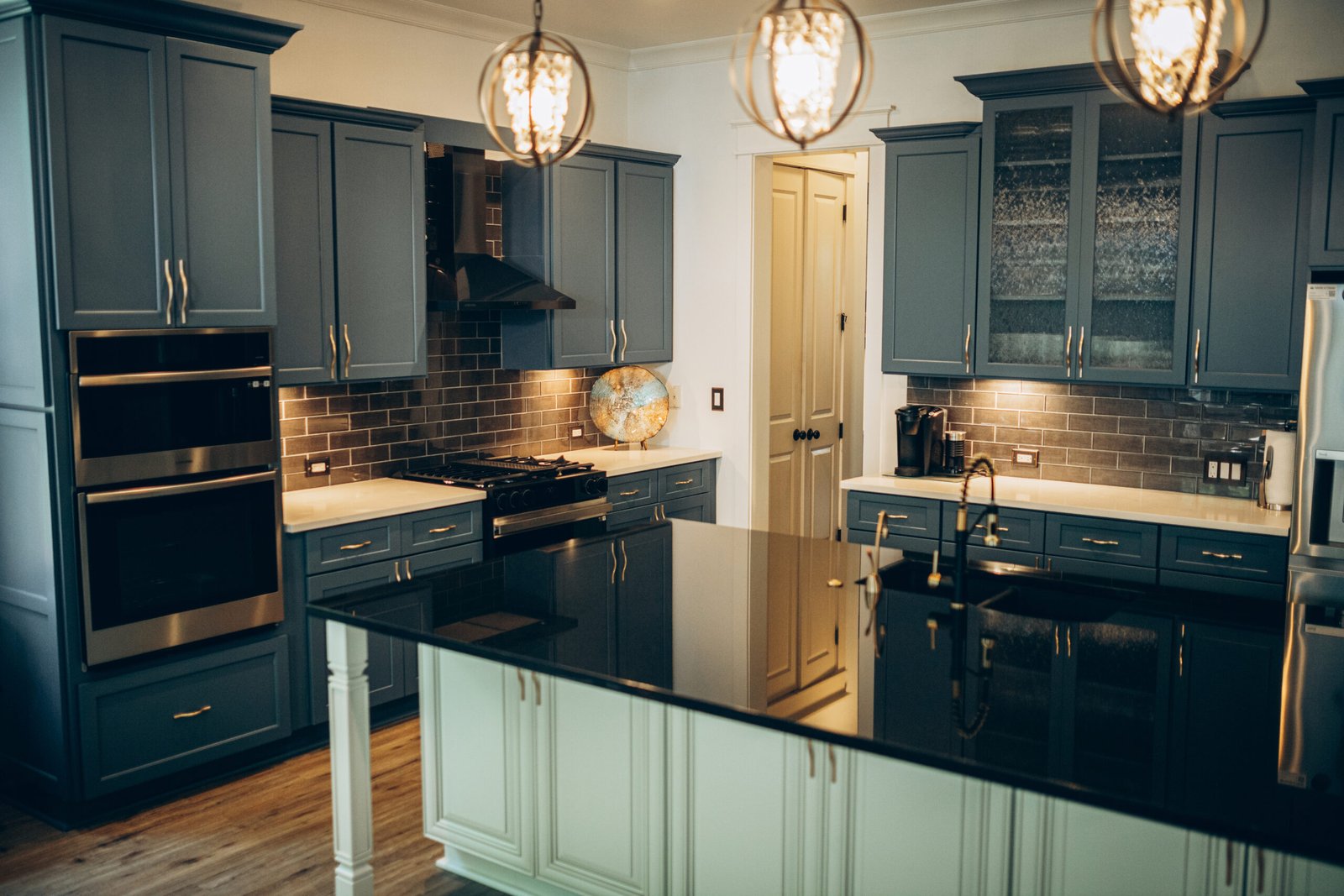
Kitchen remodel financing options include home equity loans, HELOCs, cash-out refinancing, and personal loans. Home equity products typically carry lower interest rates since they’re secured against the property, making them a common choice for larger projects.
Some contractors offer in-house financing plans with fixed monthly payments. Comparing interest rates and repayment terms across at least two or three lenders before signing anything helps avoid overpaying across the life of the loan.
Getting an Accurate Estimate for Your Project
Online calculators give a starting range, but an in-person walkthrough is the only way to get pricing that matches your actual kitchen, wiring, and plumbing setup. A contractor needs to see the space to catch issues that photos and square footage numbers miss.
Request itemized quotes from at least two or three contractors before choosing one. Compare not just the bottom line but what’s included in labor, material grade, and warranty coverage, since two quotes with similar totals can represent very different scopes of work.
Kitchen remodel cost varies based on size, material choices, and how much of the existing layout stays in place. Cabinets and countertops typically account for the largest share of the budget, while financing and contingency planning determine how smoothly the project runs. Get a walkthrough estimate before finalizing any numbers on paper.
Ready to get real pricing for your kitchen? Contact Ruiz Remodeling & Painting for a free in-home consultation and itemized quote.
Frequently Asked Questions
What are the most common mistakes in a kitchen bathroom remodel?
Skipping the planning phase, picking a contractor based on price alone, and setting an unrealistic budget are the biggest mistakes. Most homeowners also ignore permits and prioritize looks over function, which creates expensive problems after the project wraps up.
How do I know if my remodel went wrong?
Work stopping without explanation, a contractor going silent, and damaged materials with no follow-up are clear red flags. Unpermitted work and poor waterproofing in bathrooms are also strong signs that the renovation was not handled correctly.
What should I know before starting a renovation?
Know that labor eats up 40 to 50 percent of your total budget. Set aside a 15 to 20 percent contingency for surprises and get everything in writing before work starts. Permits should always be pulled before any work begins.
How do I choose the right remodeling contractor?
Check for a valid license, read real reviews, and ask for a project portfolio. Get at least three quotes, never pay the full amount upfront, and avoid any contractor who pressures you to sign quickly without providing references.
Can I remodel on a tight budget without losing quality?
Yes. Spend on the structural work, plumbing, and waterproofing first. Small cosmetic changes like paint, hardware, and lighting can refresh a space significantly without requiring a full gut renovation or blowing your budget.
LET'S DISCUSS YOUR PROJECT WITH US
Upgrade your space with expert home remodeling services. We deliver quality work, on time and within budget.