
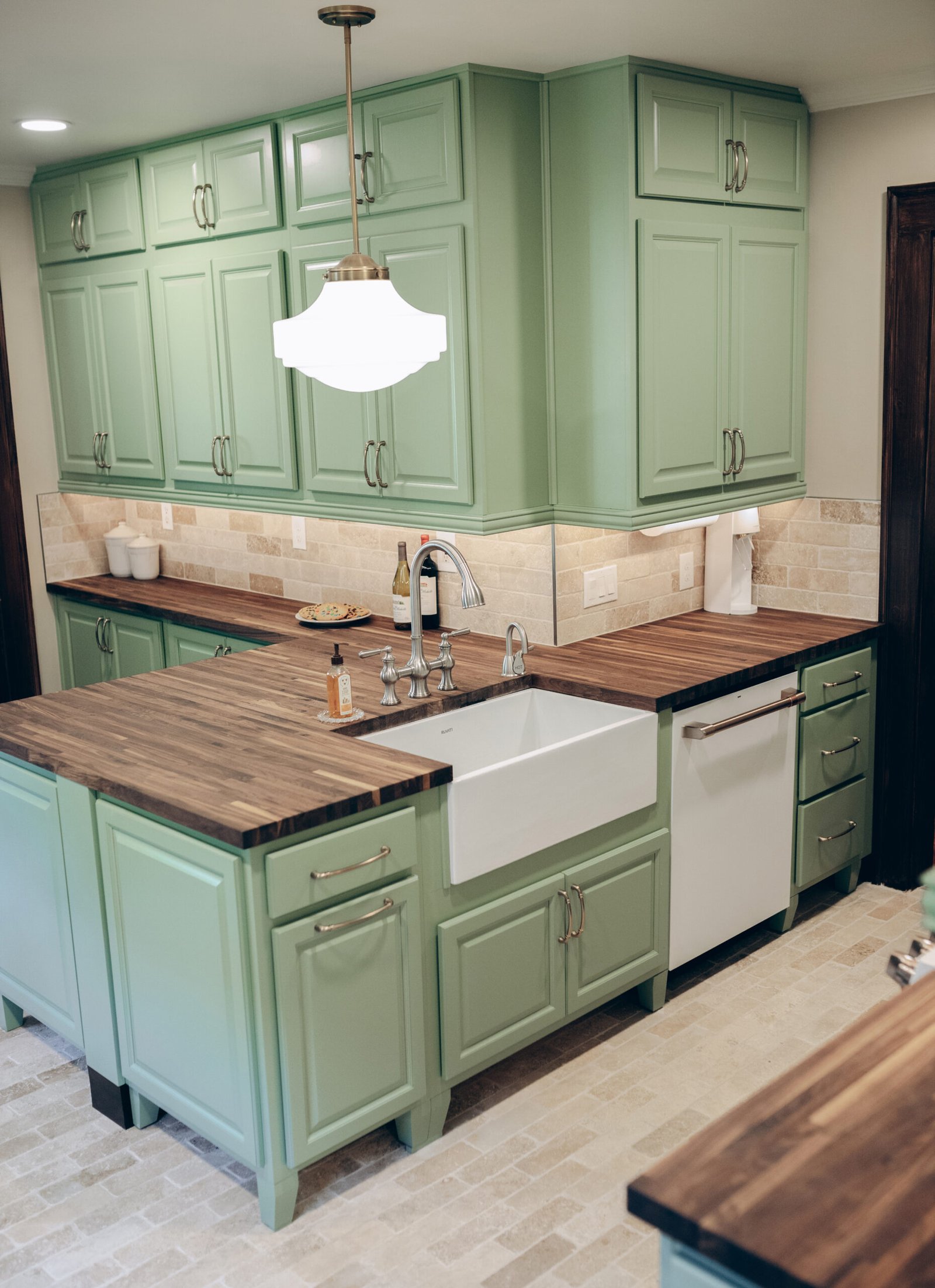
A kitchen bathroom remodel sounds exciting at first. New countertops, fresh tile, modern fixtures, and a space that finally feels like yours. But somewhere between the planning stage and the final invoice, things go sideways for a lot of homeowners. The regret does not always come from the finished look. It comes from the decisions made before a single tool was picked up.
Most remodeling regrets start long before the contractor shows up. Homeowners skip the planning phase, rely on rough estimates, or base their entire design on a trend they saw online six months ago. These kitchen remodel planning mistakes cost more to fix than they would have to avoid in the first place.
The biggest problem is underestimating how long the project will take. A bathroom renovation that was supposed to take two weeks stretches into six. Meanwhile, you are sharing one bathroom with your whole family, living out of boxes, and watching costs creep up daily. That timeline mismatch is one of the most common remodeling regrets homeowners share after the fact.
There are clear signs your remodel went wrong, and most homeowners ignore them hoping things will self-correct. Work stops without explanation. Materials arrive wrong or damaged and no one follows up. The contractor goes quiet for days. These are not minor bumps. They are red flags that typically signal larger problems ahead.
Permits are another area where things quietly fall apart. Some contractors skip the permit process to move faster or cut costs. That saves time upfront but creates serious problems when you try to sell your home or if an inspector flags unpermitted work. A remodel that was never properly permitted is a liability, not an asset.
Choosing the wrong contractor is the single most common reason a kitchen bathroom remodel goes over budget and under-delivers. Most homeowners pick based on price alone, which is a mistake. The lowest bid usually reflects cut corners, cheap materials, or a contractor who will disappear when problems arise.
Knowing how to choose a remodeling contractor means checking licenses, reading real reviews, asking for a portfolio of completed projects, and getting everything in writing before work starts. A legitimate contractor will not pressure you to sign quickly or ask for full payment upfront. If any of those things happen, walk away. The short-term savings are never worth the long-term headache.
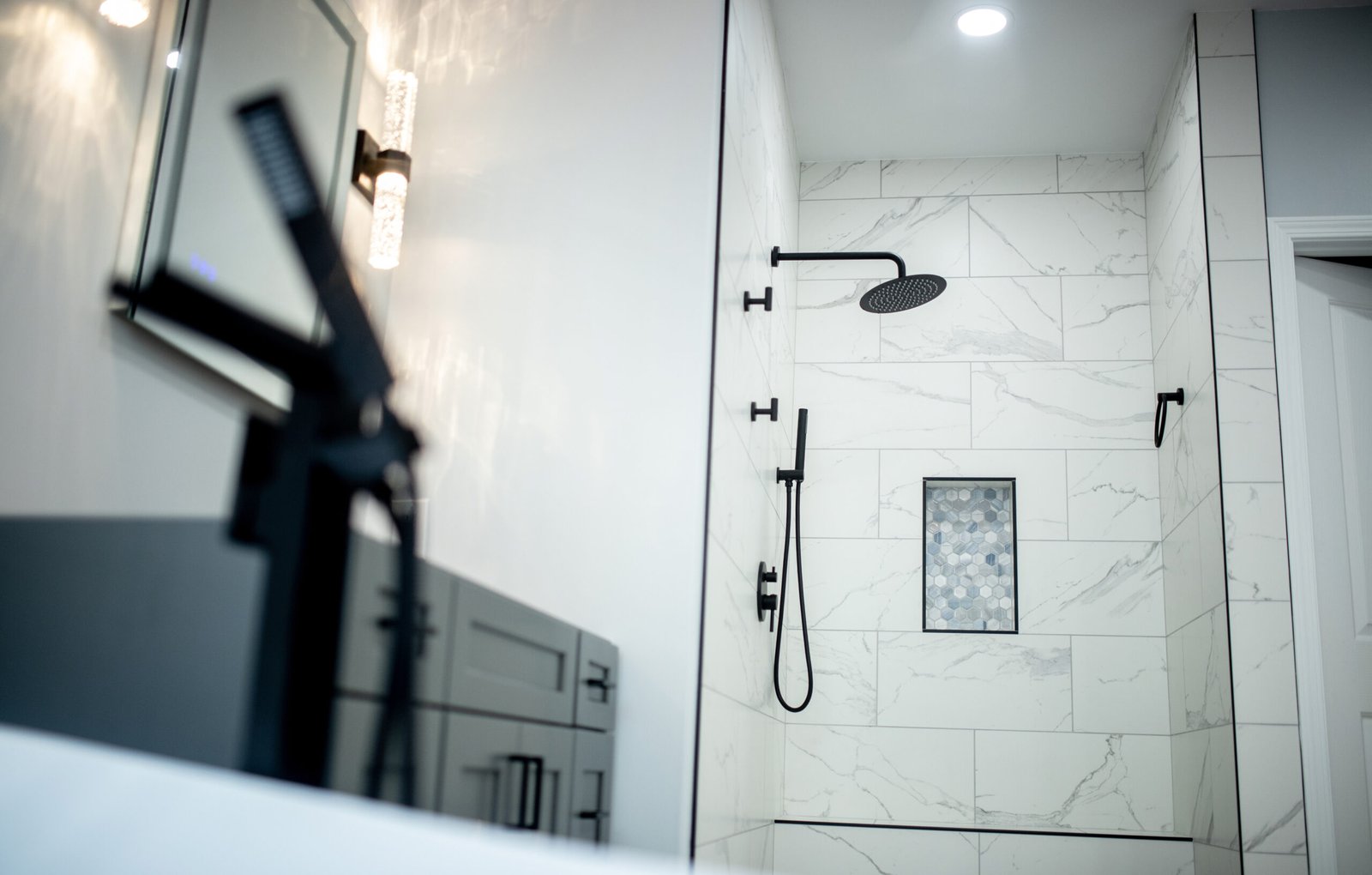
Remodeling on a tight budget is possible, but it requires a different mindset. You have to prioritize function over aesthetics, especially in a kitchen or bathroom where plumbing and electrical work are already expensive. Many homeowners blow their budget on finishes and run out of money before the structural work is done properly.
What to know before remodeling starts with understanding where your money actually goes. Labor costs often eat up 40 to 50 percent of the total budget. If you plan for that upfront, you make smarter choices about where to splurge and where to save. Cosmetic upgrades like cabinet hardware, paint, and lighting can transform a space without requiring a full gut renovation.
The home renovation mistakes to avoid are not always obvious in the moment. Choosing trendy materials that date quickly. Ignoring storage during layout planning. Skipping waterproofing in a bathroom to save a few hundred dollars. These decisions feel small during the build but become daily frustrations after the project wraps.
Knowing how to avoid bad remodel decisions means thinking about how you actually use the space, not just how it will look in photos. A kitchen with stunning countertops but no functional workspace is a beautiful mistake. A bathroom with an oversized soaking tub that nobody uses is wasted square footage. Function should drive every design choice, with aesthetics coming second.
Bathroom renovation common errors almost always come down to one thing: poor waterproofing. Water damage behind tile or under flooring is invisible until it becomes a mold problem or a structural issue. By then, fixing it costs two to three times what proper waterproofing would have cost during the original build.
Ventilation is the other major oversight. Bathrooms without proper exhaust fans build up moisture fast. That moisture warps cabinets, peels paint, and creates the exact conditions where mold spreads. These are not glamorous things to spend money on, but they are the difference between a renovation that holds up and one that requires major repairs within five years.
The homeowners who walk away satisfied from a kitchen bathroom remodel share one thing in common. They planned more than they thought was necessary. They got multiple quotes, asked hard questions, set a contingency budget of at least 15 to 20 percent, and did not let excitement rush them into decisions.
Remodeling is not just a construction project. It is a series of decisions that compound on each other. One rushed choice early in the process creates problems three steps later. Taking two or three extra weeks to plan properly almost always saves months of frustration after the fact.
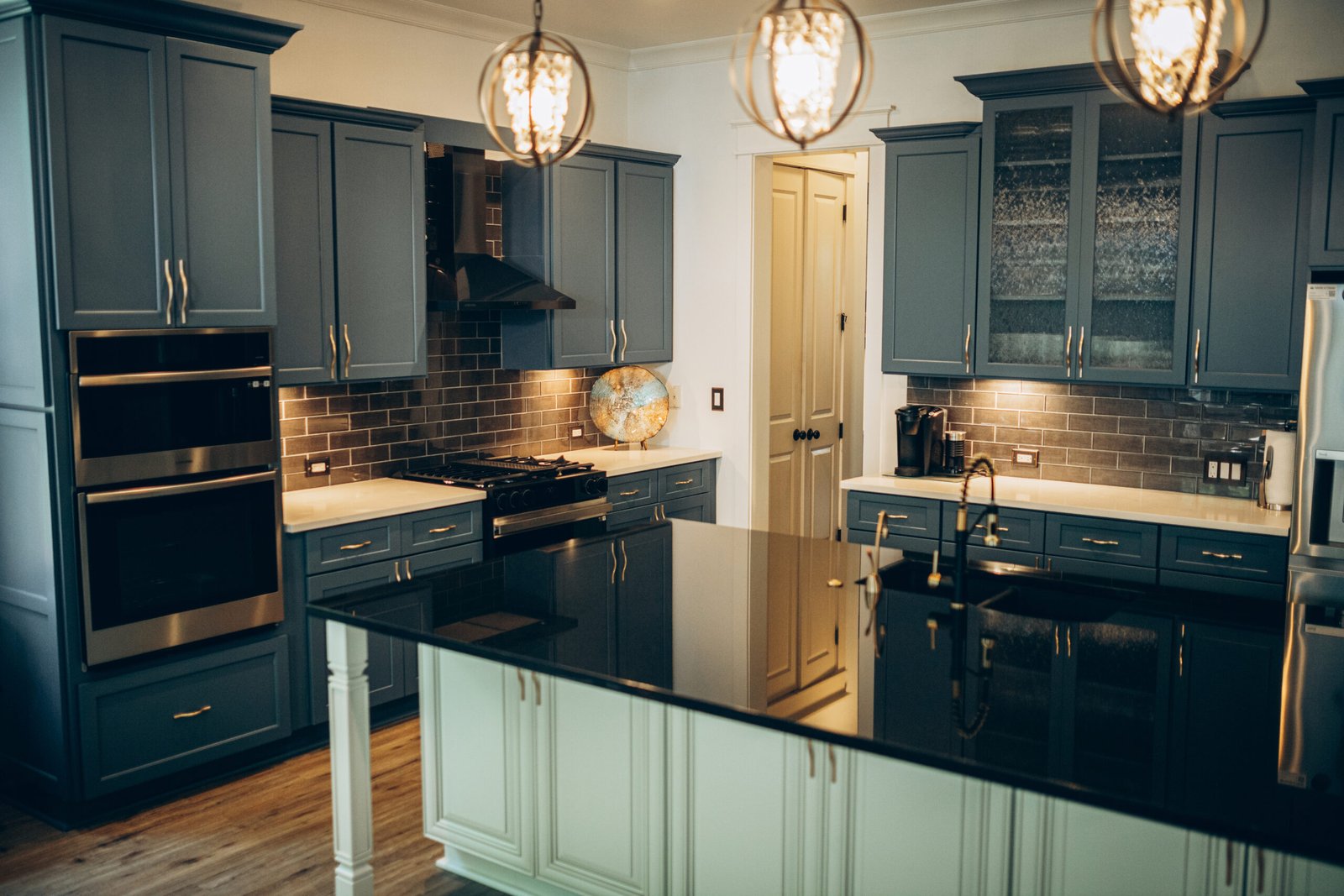
Most remodeling regrets are not about the design. They are about the process. Skipped permits, the wrong contractor, an unrealistic budget, and poor material choices all add up to a project that costs more and delivers less than expected. A successful kitchen bathroom remodel comes down to preparation, not inspiration. Do the groundwork before the real work starts, and the result will be a space you are proud of for years to come. If you are planning a renovation and want it done right the first time, Ruiz Remodeling and Painting is ready to help.
Skipping the planning phase, picking a contractor based on price alone, and setting an unrealistic budget are the biggest mistakes. Most homeowners also ignore permits and prioritize looks over function, which creates expensive problems after the project wraps up.
Work stopping without explanation, a contractor going silent, and damaged materials with no follow-up are clear red flags. Unpermitted work and poor waterproofing in bathrooms are also strong signs that the renovation was not handled correctly.
Know that labor eats up 40 to 50 percent of your total budget. Set aside a 15 to 20 percent contingency for surprises and get everything in writing before work starts. Permits should always be pulled before any work begins.
Check for a valid license, read real reviews, and ask for a project portfolio. Get at least three quotes, never pay the full amount upfront, and avoid any contractor who pressures you to sign quickly without providing references.
Yes. Spend on the structural work, plumbing, and waterproofing first. Small cosmetic changes like paint, hardware, and lighting can refresh a space significantly without requiring a full gut renovation or blowing your budget.
Upgrade your space with expert home remodeling services. We deliver quality work, on time and within budget.